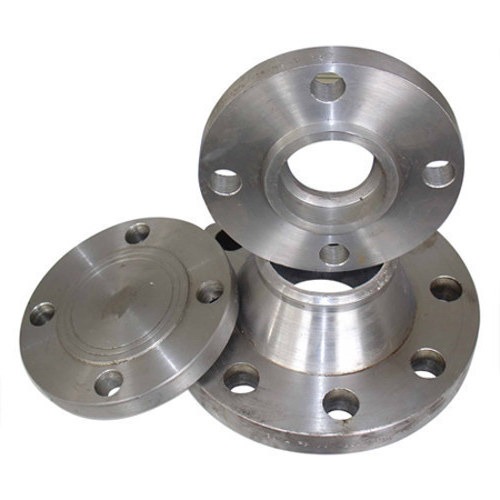
What is the difference between ASTM A350 LF2 class 1 and class 2?
ASTM A350 LF2 is a standard specification for carbon and low-alloy steel forgings requiring notch toughness testing for low-temperature service. The main difference between Class 1 and Class 2 lies in their heat treatment requirements and mechanical properties:
1. Heat Treatment Requirements:
-
Class 1: Forgings are normalized or normalized and tempered, or quenched and tempered.
-
Class 2: Forgings are only quenched and tempered (no normalization allowed).
2. Mechanical Property Differences:
| Property | ASTM A350 LF2 Class 1 | ASTM A350 LF2 Class 2 |
|---|---|---|
| Tensile Strength (MPa) | 485-655 | 485-655 (same) |
| Yield Strength (MPa) | ≥ 250 | ≥ 250 (same) |
| Elongation (%) | ≥ 22 | ≥ 22 (same) |
| Reduction of Area (%) | ≥ 30 | ≥ 30 (same) |
| Impact Energy (Charpy V-notch, avg. of 3 tests @ -46°C) | ≥ 20 J (≥ 15 ft-lbf) | ≥ 20 J (≥ 15 ft-lbf) (same) |
Key Differences:
-
Class 2 requires quenching and tempering (Q&T) for better grain refinement and toughness, making it more suitable for critical low-temperature applications.
-
Class 1 allows normalization, which is less stringent but still meets basic toughness requirements.
-
Class 2 generally has better low-temperature impact resistance due to the Q&T process, though the minimum impact values are the same.
When to Use Which?
-
Class 1: Used when moderate toughness is sufficient, and cost or processing constraints favor normalization.
-
Class 2: Preferred for high-stress or critical low-temperature service (e.g., offshore, cryogenic, or high-pressure applications) where superior toughness is needed.